
About The Hwb Collective

Built from hard work, practical experience and a desire to give back.

The Hwb Collective CIC was founded to give young people practical tools, clearer guidance and opportunities to recognise strengths they may not yet see in themselves.

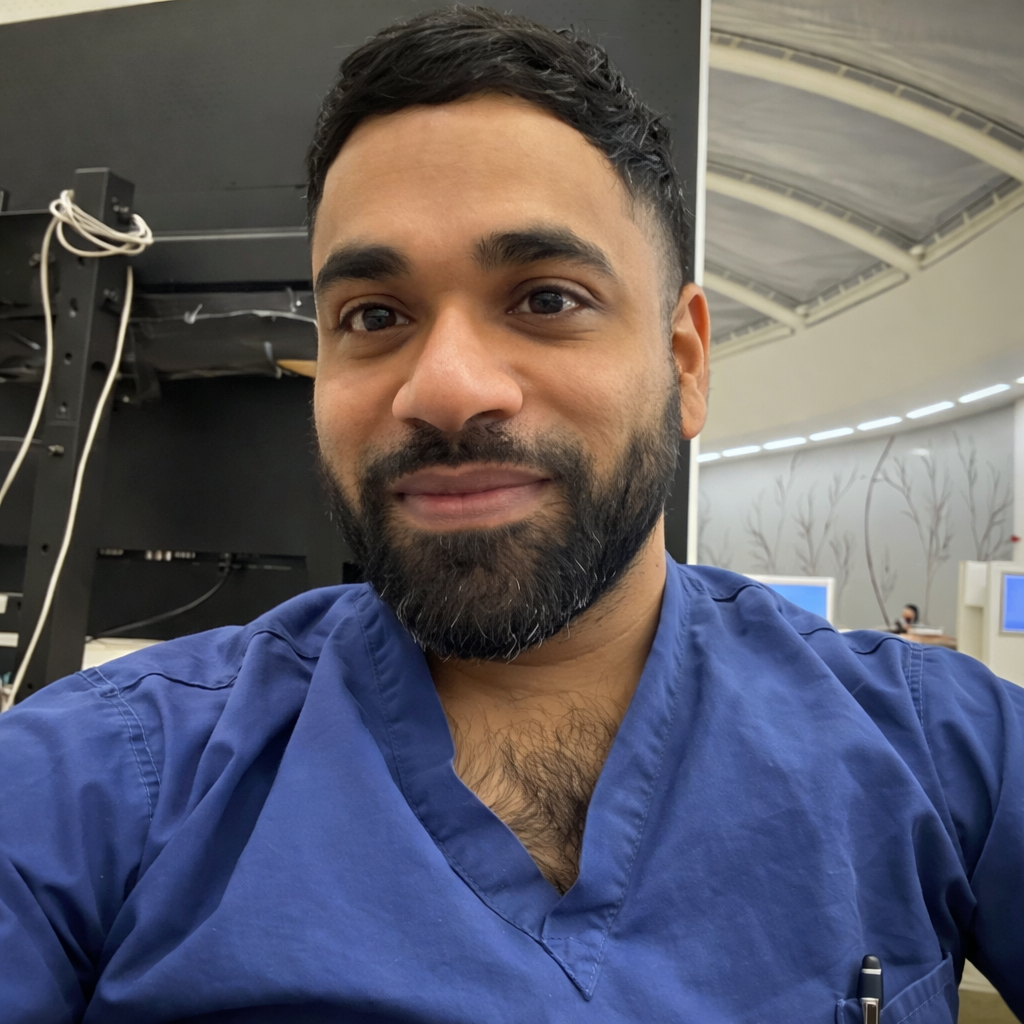
Grant Parry, founding director of The Hwb Collective
Grant Parry · Founding Director and qualified secondary Design & Technology teacher

Why I started The Hwb Collective

I wanted young people to have the support I wish I had earlier.

I have worked hard throughout my life, building experience through practical work, business ownership, education and eventually qualifying as a secondary Design & Technology teacher. None of those stages happened in isolation. Each one taught me something about resilience, responsibility, problem-solving and the importance of being able to explain what you can do.

Looking back, I can see how useful it would have been to have clearer support when making decisions about work, qualifications and the future. Young people are often told to “choose a career”, “write a CV” or “prepare for an interview” without being shown how to break those tasks into manageable steps.

The Hwb Collective exists to help close that gap. I want to create practical, accessible tools that help a young person recognise their strengths, explore realistic routes and prepare properly for the next opportunity. The aim is not to make decisions for them, but to help them feel less lost and more able to move forward.

“I have worked hard all my life. The Hwb Collective is my way of giving something back and offering young people the kind of practical support I would have valued myself.”

Why we exist

Young people can build valuable abilities through school, practical projects, hobbies, caring responsibilities, volunteering, community activity and part-time work without always recognising those abilities, or knowing how to describe them. The Hwb Collective connects those real experiences with the language and evidence needed for CVs, applications, portfolios, interviews and progression conversations.

From practical experience to employability

Our approach reflects Grant’s own experience across practical design, small-business ownership and education. In each setting, success depends on more than qualifications alone: communicating clearly, solving problems, organising work, responding when something goes wrong and continuing to learn. These are employability strengths, but young people are not always helped to notice or explain them.

That is why our public pathway links career exploration, CV building and interview preparation rather than treating them as separate tasks. Practical STEM activity also remains important because designing, making, testing and improving can produce genuine examples that a young person can later use in an application or interview.

What we want young people to gain

  • A clearer understanding of possible next steps.
  • Greater confidence in the experience and strengths they already have.
  • Practical documents and preparation they can actually use.
  • Honest information about education, training, apprenticeships and work routes.
  • More confidence asking questions, making decisions and explaining their contribution.

Community purpose

The organisation exists to widen access to practical learning and employability support; promote creativity, engineering, design and digital capability; deliver safe, ethical and accessible activity; strengthen community confidence and opportunity; and operate sustainably and responsibly.

Community Interest Company

The Hwb Collective CIC is a company limited by shares with an asset lock. Its surplus and assets are principally applied for community benefit in line with its Articles and the Community Interest Company framework. This structure reflects the intention to build useful services while keeping community benefit at the centre of decisions.

How the focus has developed

Early planning explored a South Wales practical STEM hub and school-linked activity. As the organisation developed, it became clear that a permanent building should not be assumed to be the first or best answer. The current model begins with free and accessible employability tools, while practical STEM activity is developed carefully with schools, community partners and funders.

This allows the organisation to test what is useful, learn from participants and avoid committing resources to a model before there is evidence that it is needed and sustainable.

Our approach

Work should be practical and purposeful, strengths-based, accessible, proportionate to risk, shaped with communities and honest about evidence. We do not want to overstate impact, automate important human decisions or promise outcomes that no tool can guarantee. A resource is valuable when it helps a young person understand themselves better, produce something useful and identify a realistic next step.

Evidence-led growth

The organisation will grow according to demonstrated need, delivery feasibility, safeguarding, cost, accessibility and measurable community benefit. Funding announcements, planned activity, completed delivery, outputs and longer-term outcomes are reported separately so progress can be understood clearly.

Recent milestone

£2,000 Community Matters Fund award.

The restricted award is for Design for Futures: Community Skills and Employability Programme and must be used for that project by the end of November 2026. We report it as funding secured, not as completed delivery, and will publish verified outputs and learning as the funded work progresses.

£2,000Community Matters Fund
Design for Futures
Impact and funding approach

People, capability and oversight

Practitioner-led, with collective board responsibility.

The organisation combines education and programme development with independent challenge and collective board oversight. Named operational roles describe responsibilities, but all directors share legal duties.

Grant Parry
Founding Director

Grant Parry

Founder of The Hwb Collective CIC, qualified secondary Design & Technology teacher and small-business owner. Leads strategy, digital tool development, education and programme design, with operational responsibility for safeguarding, data protection and health and safety implementation.

Claudia Niamh Evan-Jones
Non-Executive Director

Claudia Niamh Evan-Jones

Independent scrutiny of compliance, safeguarding, wellbeing, ethical practice and community purpose. Deputy Safeguarding Lead.

Daniel Sitaranjan
Non-Executive Director

Daniel Sitaranjan

Collective board oversight, constructive challenge and shared responsibility for the CIC’s decisions and community purpose.

Privacy controls

Cookie, storage and statistics status

Essential preferences

Language, colour theme, text size and your acknowledgement of this notice. These choices are stored in your browser only.

Active
Aggregate site statistics

IONOS SiteAnalytics may create aggregate statistics through hosting logs or a pixel without analytics cookies. This page can record your objection to any optional analytics controlled by HWB; essential hosting and security logs may still be created by IONOS.

Aggregate only

Objecting stops any optional statistics script that HWB may control now or introduce later. The current website does not load Google Analytics, Meta Pixel or advertising trackers.

Advertising and profiling

No advertising cookies, Meta Pixel, Google Analytics, behavioural profiling or cross-site tracking are used.

Not in use
External media

No YouTube, map, social-media or other third-party embeds load automatically. External services are contacted only after you choose to follow a link.

Not loaded